Aritzia Brand Teardown: The Rule-Breaker & Canary In The Coal Mine

There are a few unsaid rules in fashion.
One is that it is hard to be cool to a teenage girl and her mom at the same time. The other is that premium and mid-tier price do not hold together, so you either stay small or let the premium fade.
Aritzia is doing both anyway. As a result they have exploded to triple their share against a set of 27 comparable brands. Here are some mind-blowing stats:
- Six straight quarters of revenue growth above 30%
- Took market share from 25 of their 27 rivals since 2024
- Households earning $500k + buy Aritzia at 11x their share of the country
The crazy part of that last stat? They are doing it at a $169 average ticket, far below most brands that appeal to that demographic. We can treat Aritzia as a one off - or if you see it like me; this success of brand is a "canary in the coal mine" for the US consumer.
The winners aren't the cheapest or the most premium. They're the ones that make a customer feel like they spent more than they did.
Closely related, brands that are winning have created unit economics advantages that allow them to deliver the deal. In Aritzia's case it is their private-label brand strategy.
At Spatial, we are studying the retail and restaurant marketshare winners of the past 5 years to crystalize the levers that lead to marketshare growth. Dubbed the "brand olympics project".
Using insights from the PersonaLive platform and segmentation built on social media, spend, survey and demographic panels we did a full brand teardown of Aritzia using the Consumer Code⁷ framework.
Read on ->
- Want the full brand teardown? Read the full brand teardown here
- Want to see this analysis on your brand? Show Me My Brand
Case
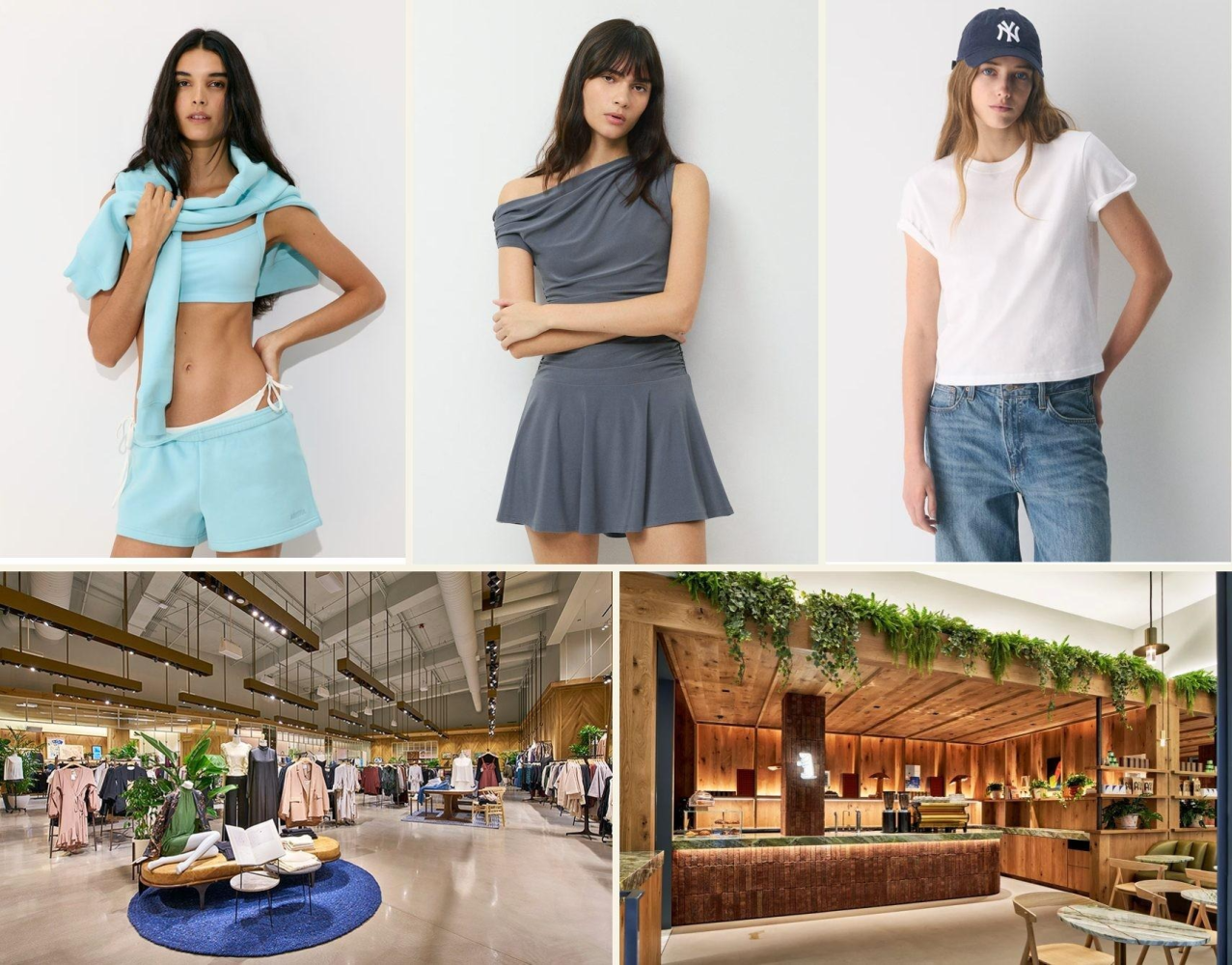
Aritzia opened in 1984 in Vancouver. The founding idea was the wedge -clothes that looked more expensive than they were. They are actually a design house masquerading as a boutique with 97% of sales coming from their own in house labels. Their private-label economics allow to deliver premium clothes at the $169 price tag.
At a $169 average ticket, Aritzia trades in a gap the rest of apparel leaves empty
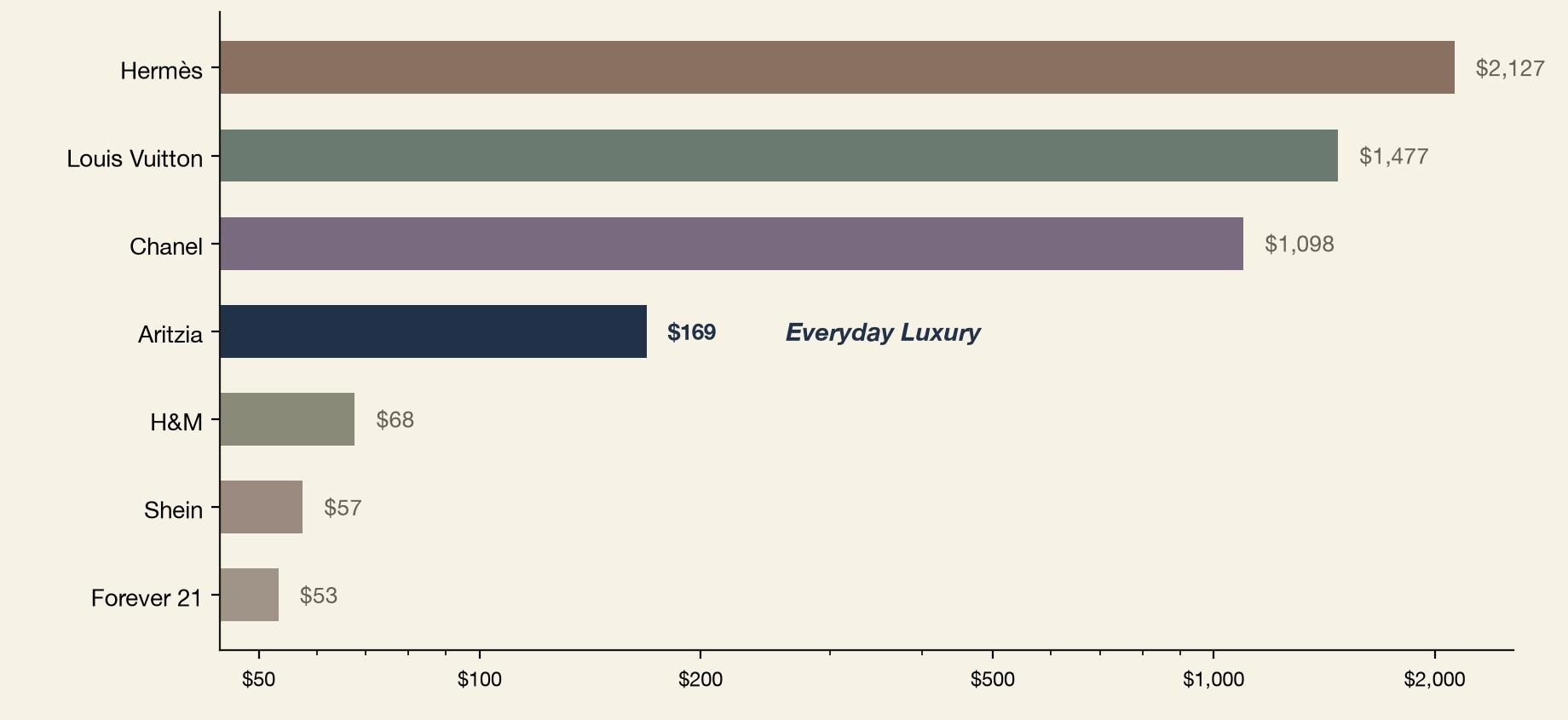
"Everyday Luxury" is their trademarked slogan. Their brands make $169 feel like their customer is getting a deal in the luxury category rather than overpaying at the mall.
At the same time Aritzia is benefiting from private label economics, they posted a record 50.3% gross margin last quarter. That margin buys things a wholesale brand cannot afford:
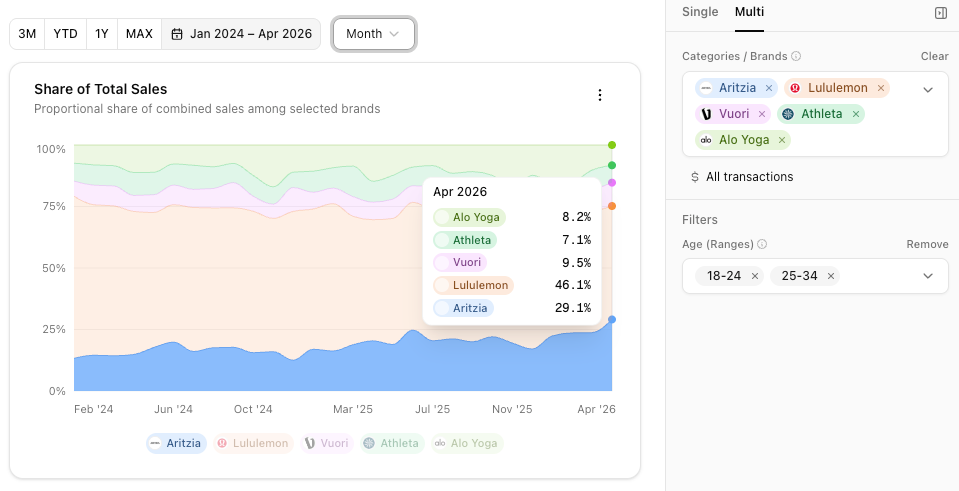
Launching Labels That Align With Trends: Their design team can launch new labels that align with trends and kill the ones that miss. Golden - their athleisure line launched in April 2024 when pilates was hot. Aritzia's share of 18 - 34 athleisure spending among Lulu, Alo, Vuori, and Athleta went from went from 13 - 19%.
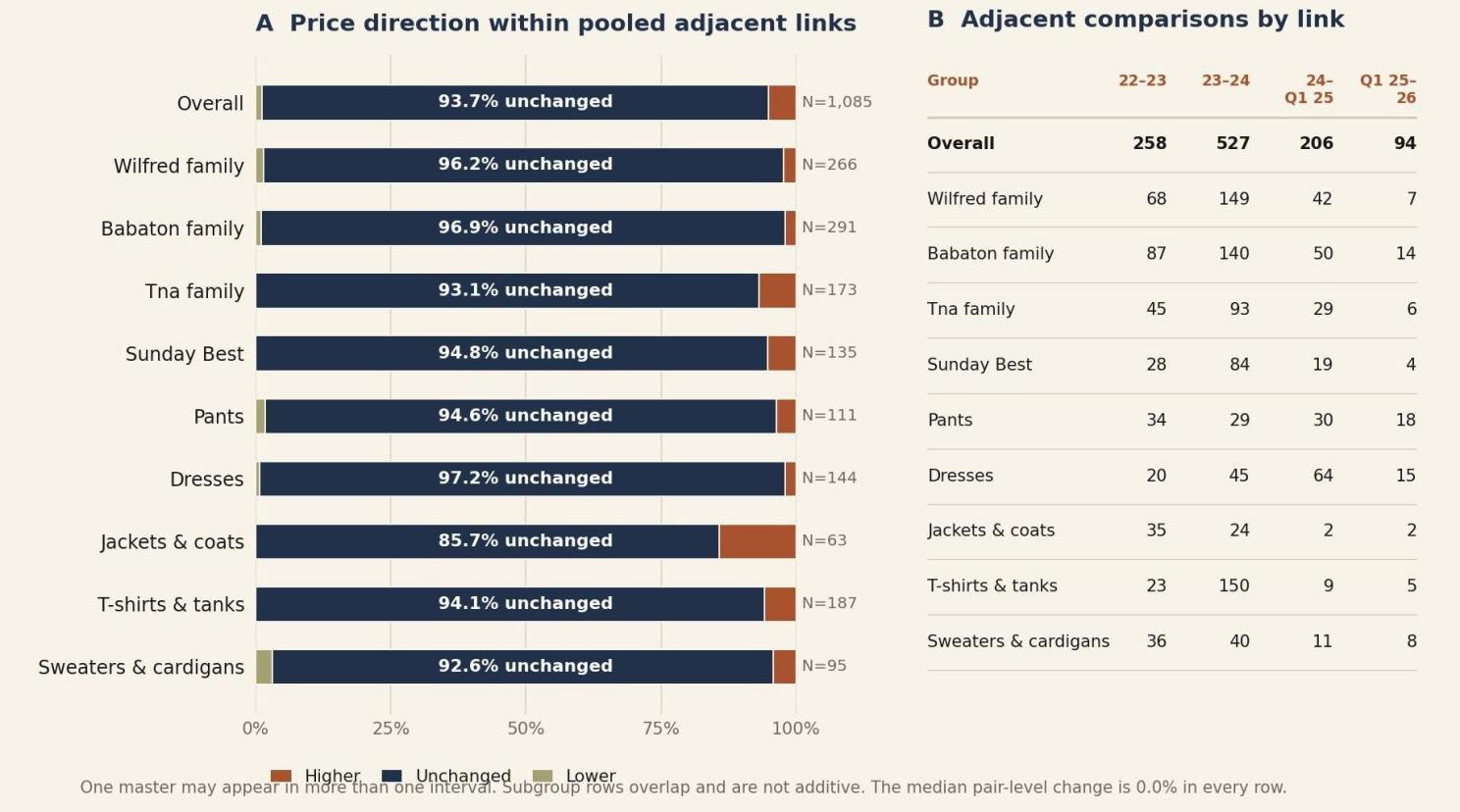
They can hold price when everyone else raises it: Analyzing their website we found across 1,085 style comparisons since 2022, 93.7% of prices never moved. Their index rose 2.6% against 4.1% for broad apparel CPI. A brand paying a wholesale margin to somebody else does not have that room during a tariff cycle.
They can spend margin on rent & the room instead of the rack: They recently bought the Michigan Avenue corner that Macy's vacated. In the tightest real estate market on record they can pay for space. Then they fill that space with marble, gallery lighting, and in-house cafes because to them the store is the advertising budget.
Customers
Aritzia’s filings never describe its customer. The one definition the company ever published, “women aged 15 to 45,” comes from its 2016 IPO documentation. Using our psychographic segmentation and demographic characteristics based on sales from the credit card panel we have a clear idea. Their customer is both young and wealthy.
Households above $500,000 buy Aritzia at eleven times their share of the country

Young customers over index too. A third of their revenue comes from customers 18 - 34. And the 18-24 crowd buys 4x their share. That young and wealthy combination rare. Usually younger brands don't lean so high income.
Psychographic / Geodemographic Segments
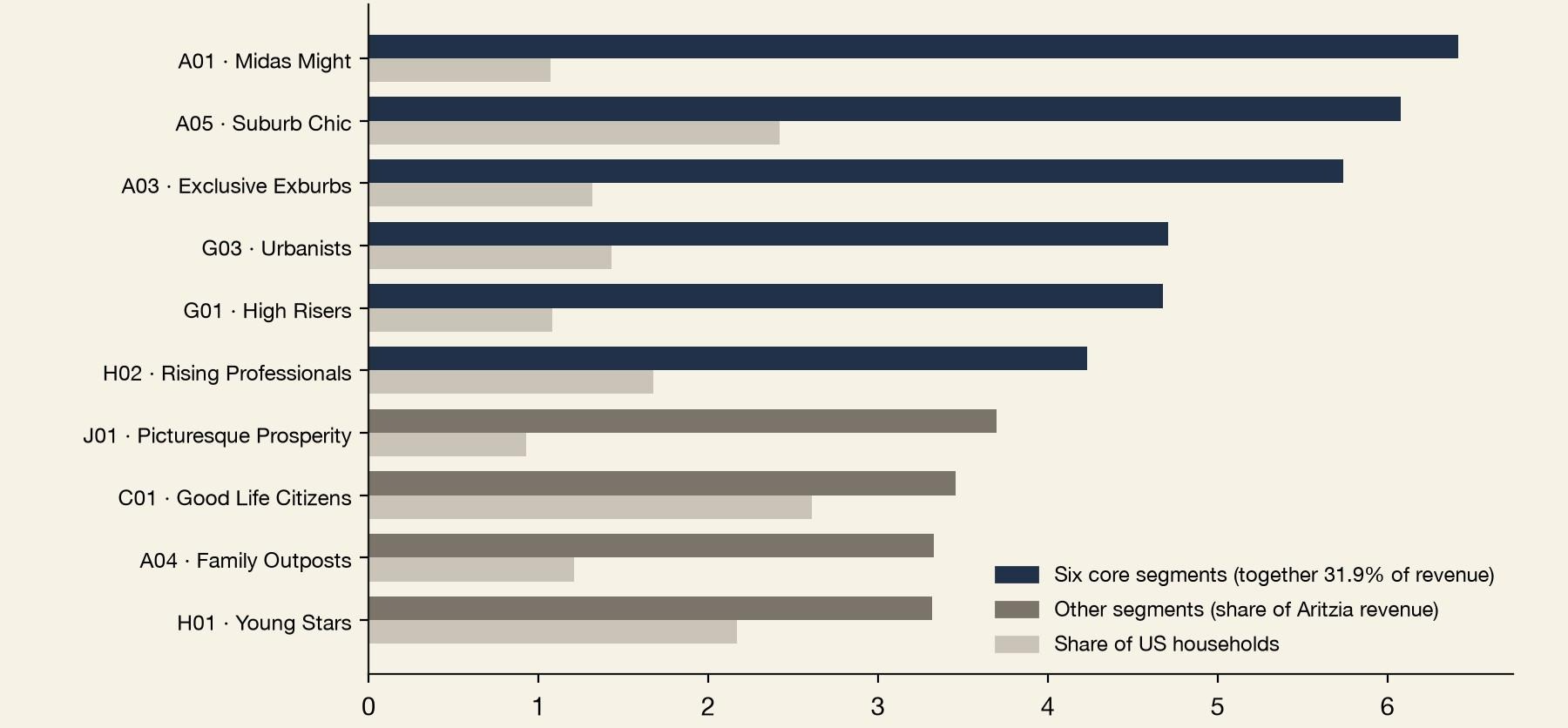
31.9% of Aritzia's revenue comes from six segments that break into two very clear groups:
Ultra Wealthy Family Households: Midas Might, Suburb Chic, and Exclusive Exburbs are all very wealthy Gen X families with children. There is a high chance that purchases on the cards in these households are coming from both the mom and the teenage daughter.
Urban Wealthy Young Professionals: Urbanists, High Risers, and Rising Professionals are young, wealthy, single, mostly millennial and late GenZ consumers. They are well educated renting in the trendiest parts of town.
EXHIBIT 9 Six PersonaLive segments, about 7% of US households, supply 31.9% of revenue
One Brand - Every Stage
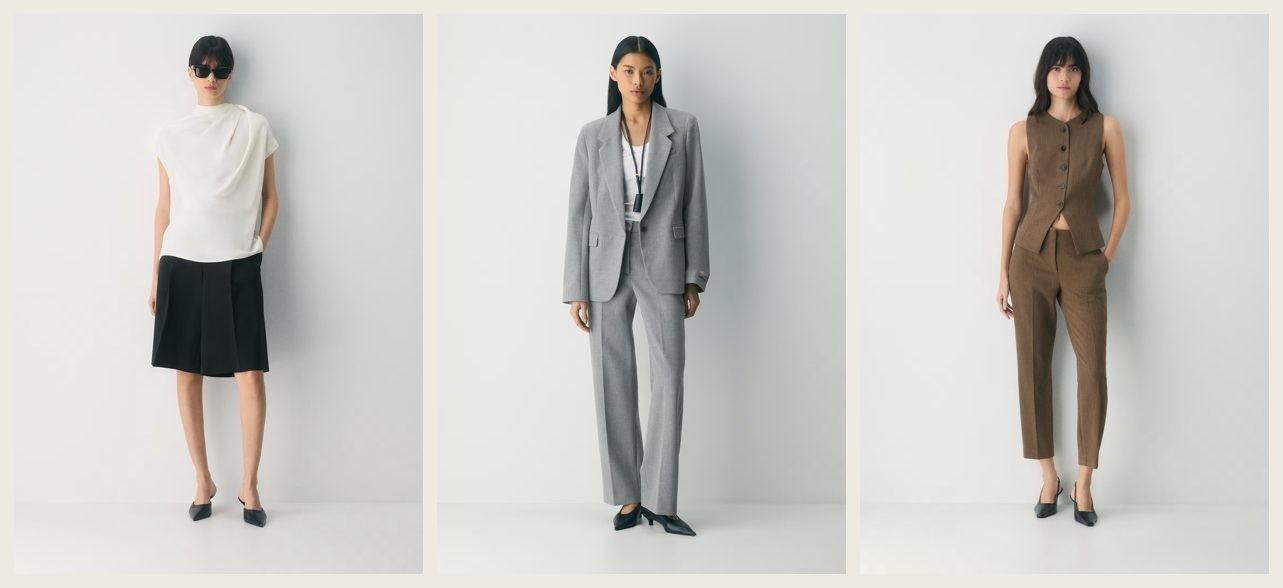
Put the segments together and you see one woman at four points in her life. She starts off as a teenager buying TNA. Then she gets a job, moves to a trendy neighborhood and buys Babaton because she needs something to wear at work. The Golden line comes in for her athletic job to be done. Eventually she has a family in the suburbs and putting her daughter's first TNA pieces on the family card.
She never ages out of Aritzia - she just goes from one label to the next. Genius.

The shape of spending is good news for Aritzia. Customers age 18-24 spend $469 a year on a fraction of the income of the customers above her. Each stage outspends the one below it
EXHIBIT 12 The youngest customers already spend 87% of the brand average

Choosing a competitive set isn't always clear. Using our PersonaLive panel we can see which brands Aritzia customers cross shop and how close their customer base resemble each other. Twenty nine brands met these requirements. Together they form the category.

The Closet category contains brands with high cross shop but don't have physical stores in close proximity often (some of the are exclusively ecommerce). The District has both high cross shop and often co-locates with Aritzia.
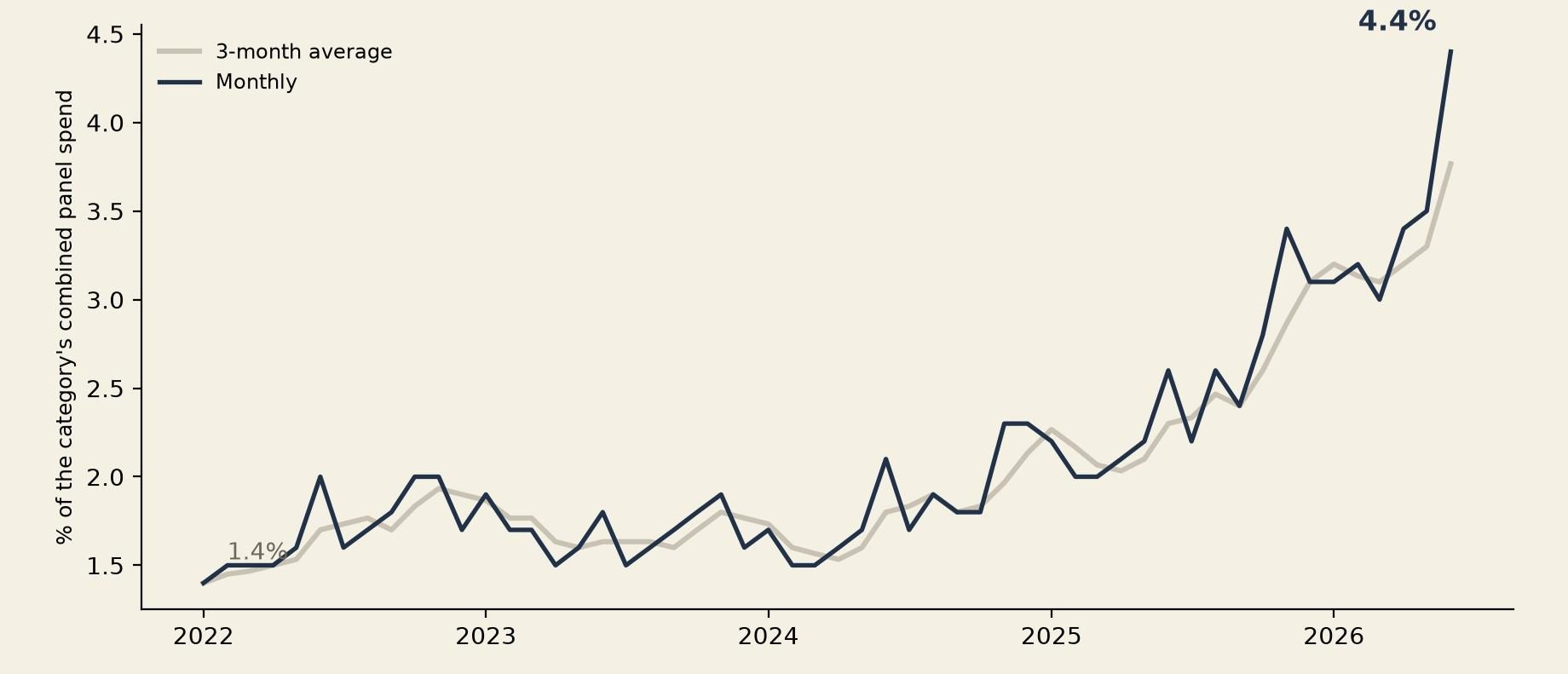
The category as a whole has been holding stable with only slight YOY growth. Aritzia on the other hand seemingly shot out of the cannon after their 2023 slump. Most recently up 55% YOY.

What spurred the turn around? Four things spurred the restart. The team described 2023 as having too much inventory and not enough newness. In 2024 the label machine restarted as it launched it's Golden Atheisure line. They opened four first time markets in the South lifting their revenue share their from 18 - 28%. They opened SoHo in 2024 and then the 25,000 foot flat iron store. These two flagship stores served as marketing because directly after online caught faire with 102% YOY growth.
Among these 29 brands Aritzia's share rose from 1.4% to 4.4%. Nearly a three fold increase since 2022.
Competition
Since mid-2024, twenty-five of the twenty-seven measurable members have ceded wallet share to Aritzia.
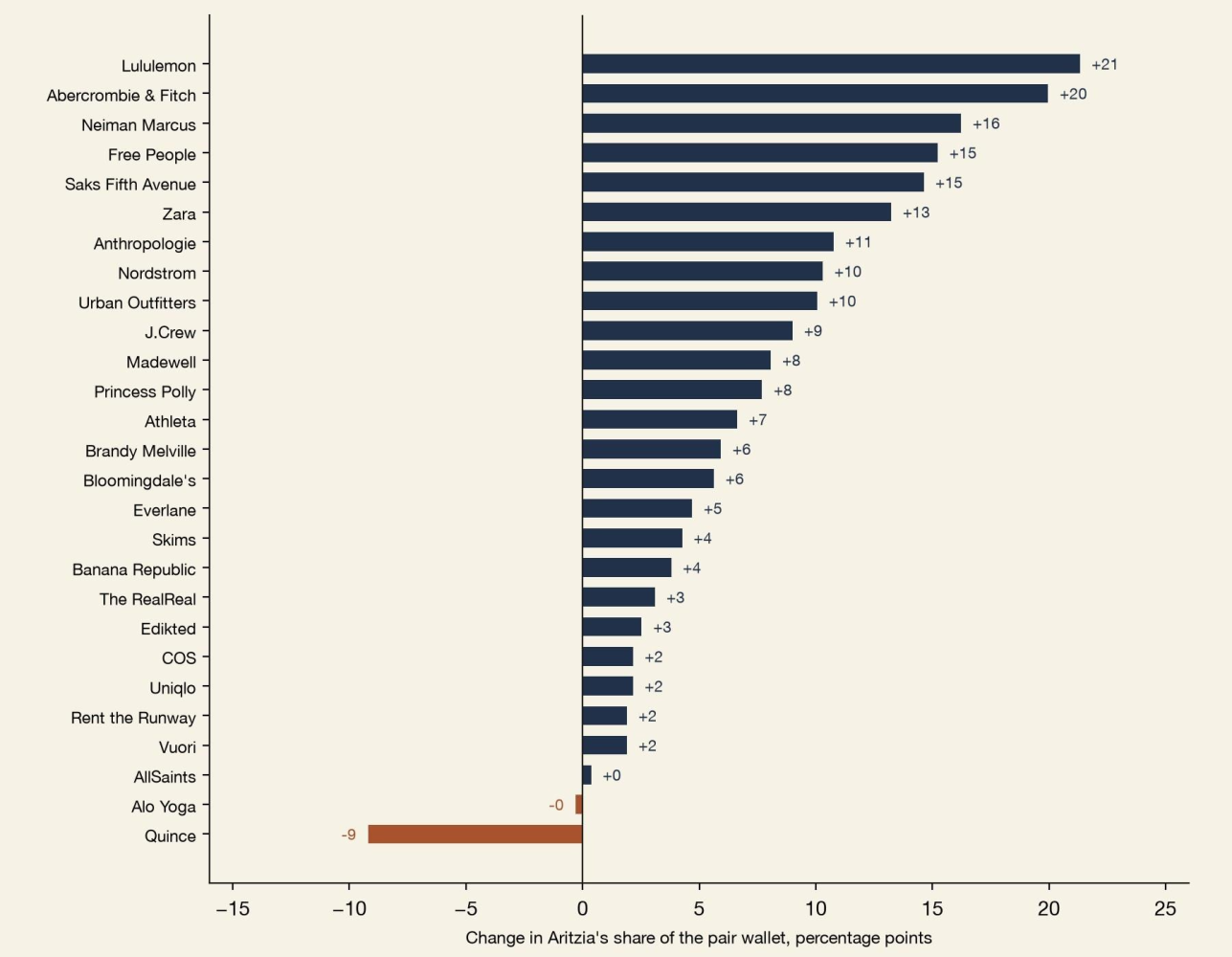
How are the doing this? Three things make the difference and they all flow from the fundemental advantage of being their on label and design house.
1.Exclusive Brands: Each label carries its own name, aesthetic, occasion, and price band. Each is also distinct enough, and popular enough, to hold its own following and stand against rival brands without the Aritzia name attached.

2. Power to control price: Analyzing their website over time we found that across 1,085 SKUs, 93.7% of their regular list prices did not move.
3. The ability to sell across generations and hold youth + wealth: Uniquely holding youth and wealth. Athliesure brands hold wealth without the youth. The mall holds teen brands without the wealth. Only Reformation rivals them in those two metrics with a smaller base.
Aritzia is the only brand holding youth and wealth at once

Coverage
Physical stores have always been in Aritzia's DNA. And they doubled down on them since 2021 growing from 44 - 77 boutiques in the past five years. According to Karen Janes, Aritzia's EVP of real estate they plan on opening 12-13 new boutiques in 2027 and believe that they can reach 180 - 200.
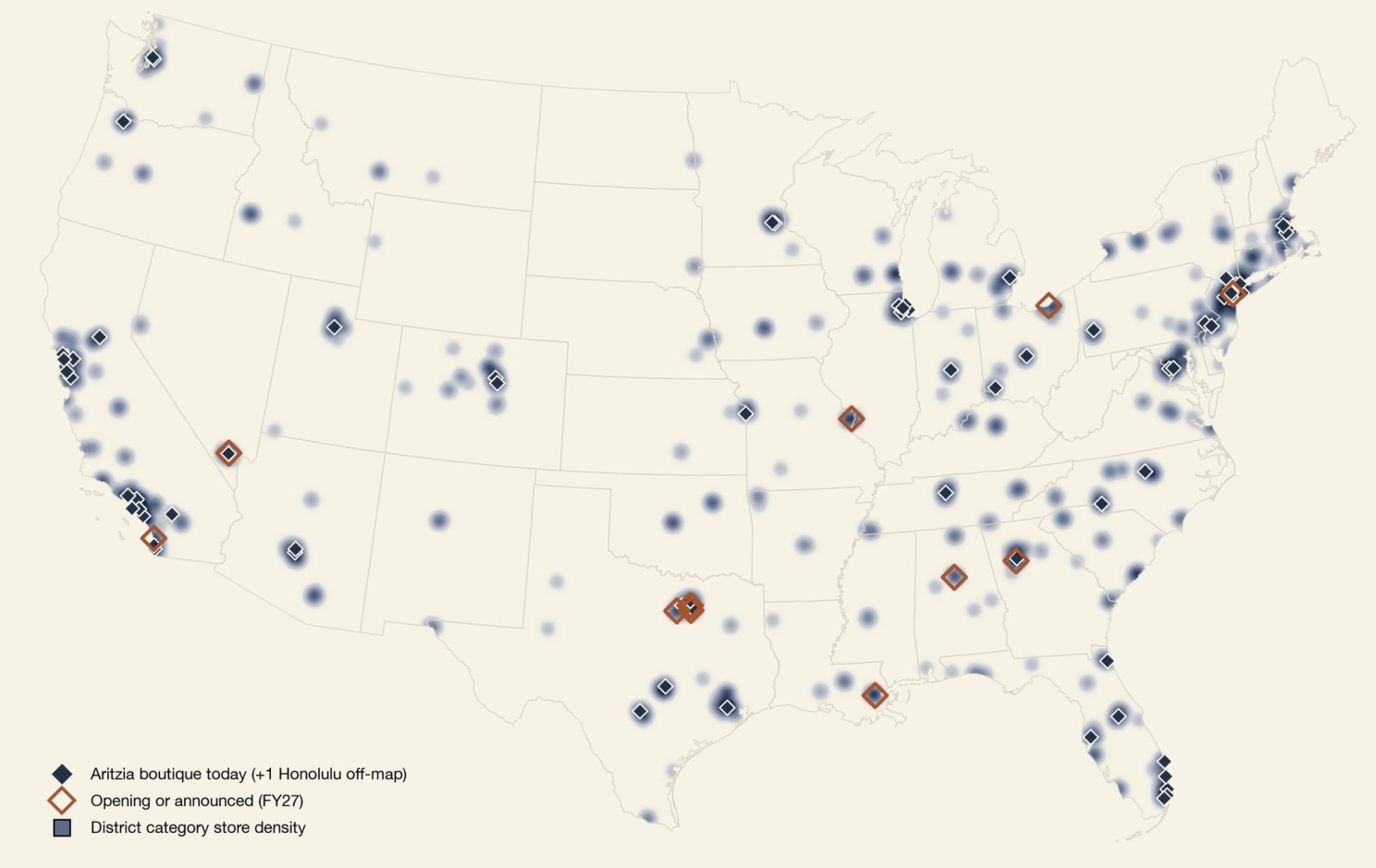
By looking at where Aritzia's District competitors congregate via heat map we can see the Aritzia playbook: they open where there is already a density of their competitors. The diamonds show where Aritzia has opened. The shaded areas show where their competitors congregate. The Aritzia real estate team is clearly following this game plan as every announce 2027 opening lands on the category's existing density, represented by the orange diamonds.
EXHIBIT 37 Every announced 2027 opening lands on the category’s existing density
New Openings
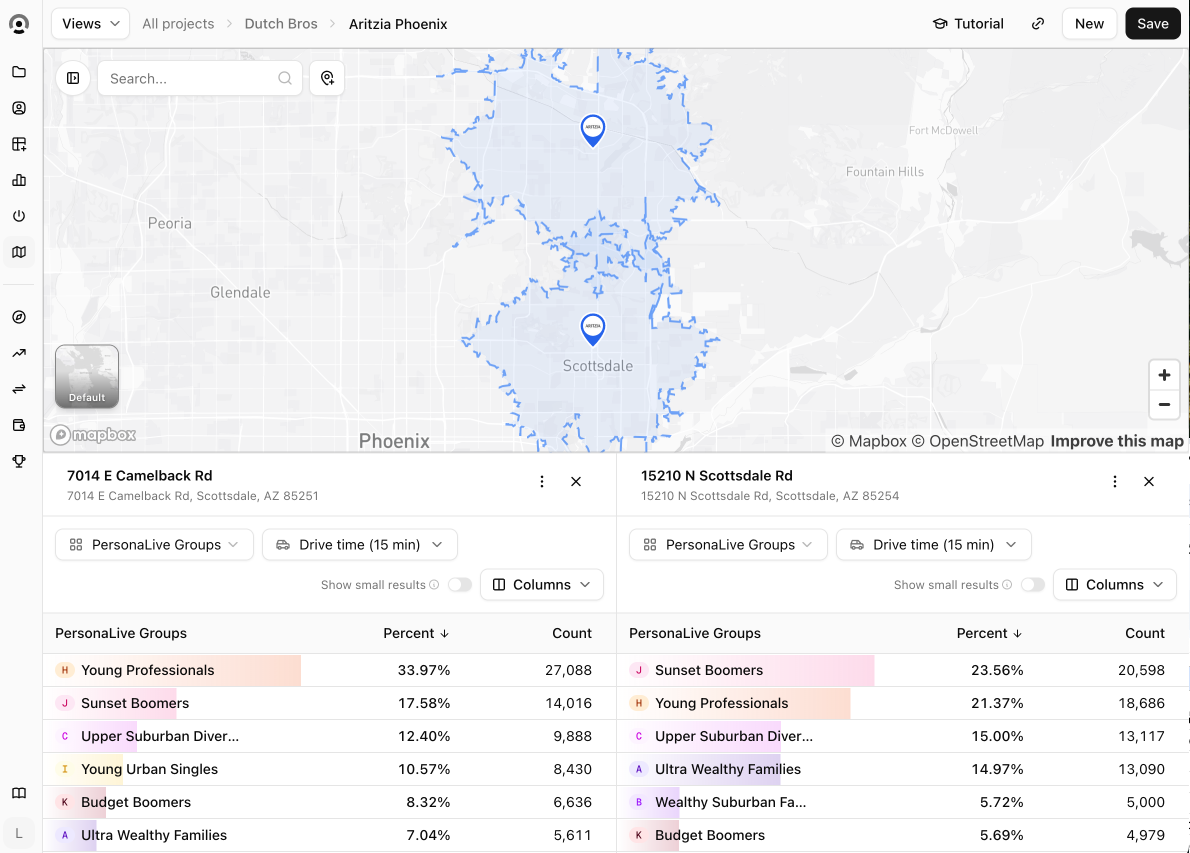
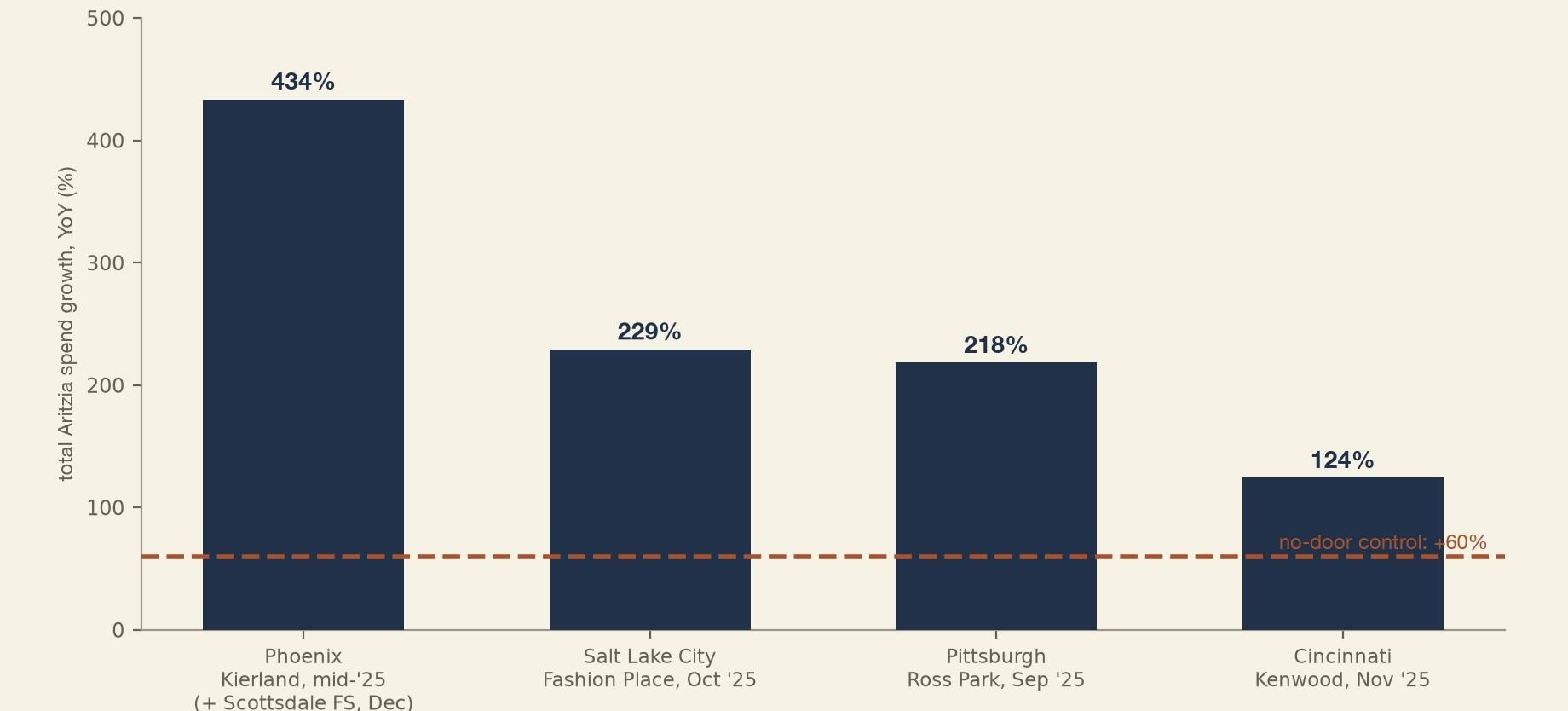
Four markets opened an Aritzia in the past year, Phoenix, Salt Lake, Pittsburgh, and Cincinnati. Each brought double digit growth. In those same markets online spend for Aritzia grew between 73% and 155% after the store opened - validating the management team's assertion that the store is the advertising.
Campaign
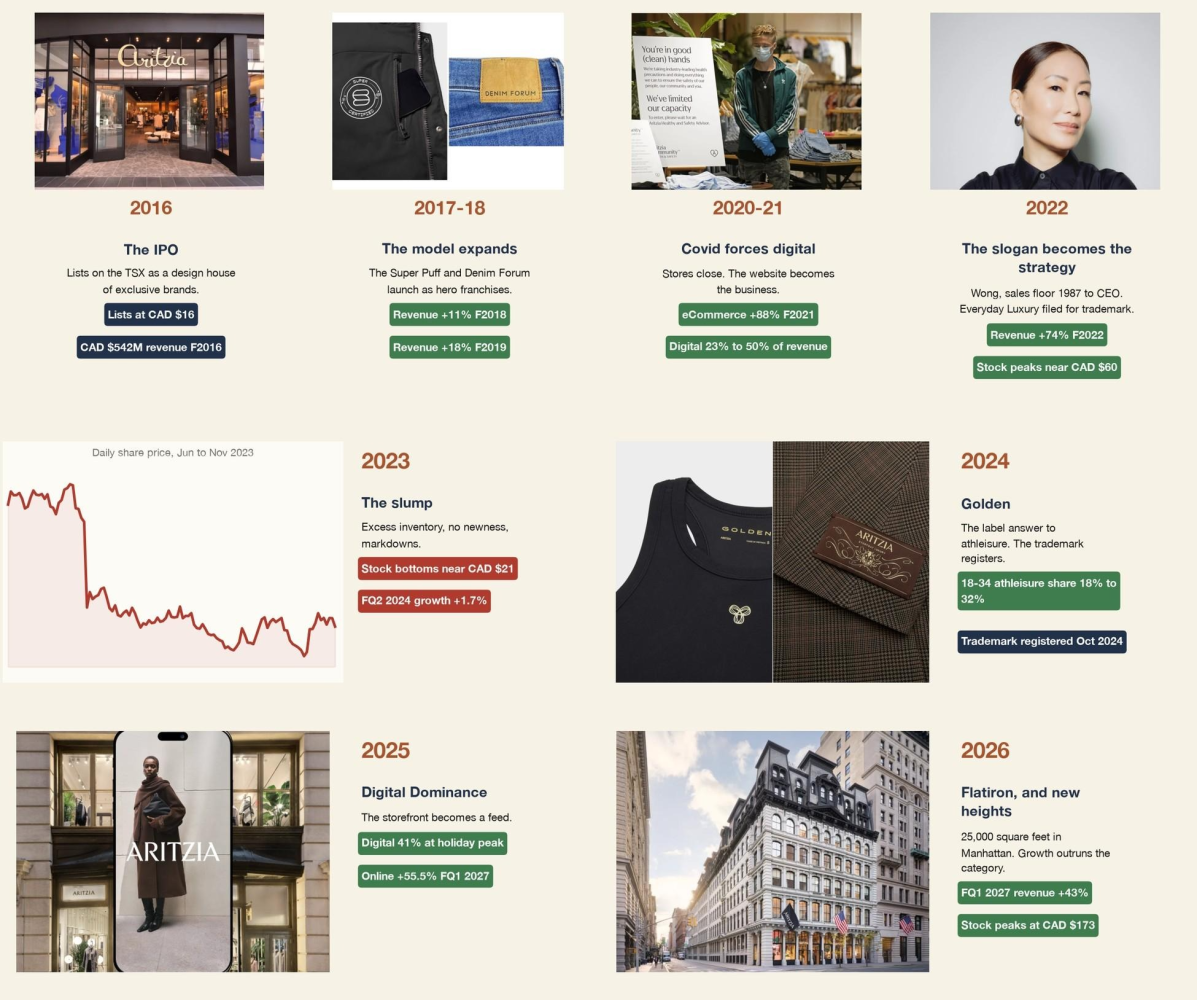
Everyday Luxury has been Aritzia’s phrase for twenty years. The company’s own history announces the first US boutique, in 2006, with the words “USA, meet Everyday Luxury.” The slogan was filed for trademark in May 2021, registered in October 2024, and today it is the company’s Instagram bio.
The store is the campaign
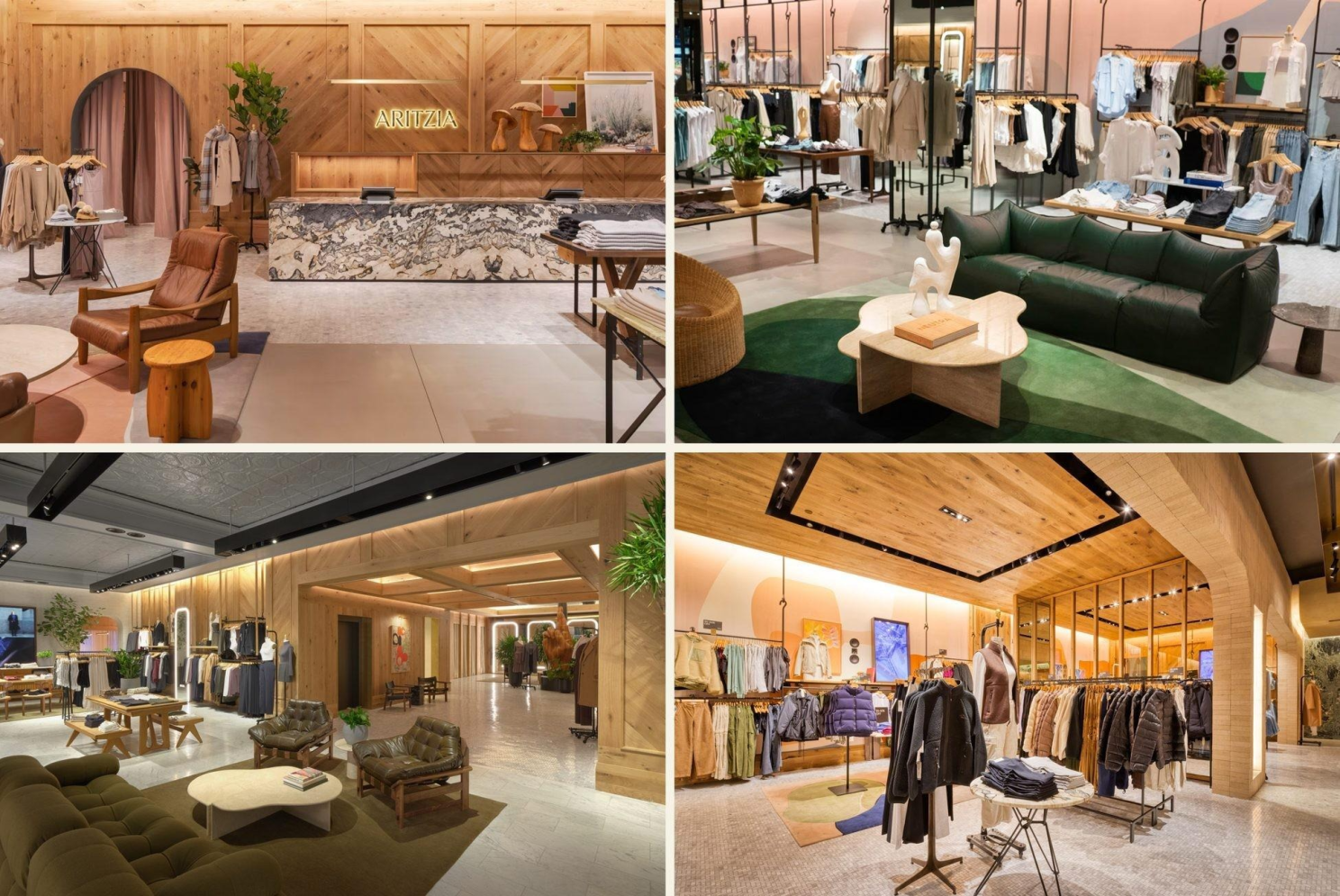
The SoHo opening in November 2024 came with a first-look event attended by Martha Stewart, Irina Shayk, and founder Brian Hill, covered by the fashion press before a customer walked in. The format is the survivor of a decade of experiments. Aritzia spent the 2010s testing standalone Wilfred, TNA, and Babaton stores and quietly froze the idea, and the SoHo space itself began as the Super Puff pop-up before becoming the boutique. The filings describe boutiques as brand-propelling. The stores carry no unified logo treatment, because the brand is the labels inside. Some carry an inhouse café. The interiors run to marble, gallery lighting, and space most retailers would fill with racks.
The campaign is one decision, held with total commitment. Everything the company builds sells the same position, from the architecture to the app, and that consistency is a large part of why the position works. It pairs with a correct early read on where e-commerce was going, and with a deep understanding of a customer the company still refuses to explicitly define. The refusal is part of the message. Everyday Luxury names the position, and she recognizes herself in it without being told.
Conclusion
The verdict
Aritzia is winning. Six straight quarters of revenue growth above thirty percent, in every channel and every geography. A share of the Closet category that has roughly tripled since 2022, from 1.4% to 4.4% in June 2026 on a three-month average of 3.8%, while the category itself went flat. Online dominance that keeps widening, with Aritzia’s online spend up 102% over a trailing year in which the category’s grew 2%. A retail expansion just getting started, with 77 US boutiques today against a stated potential of 180 to 200-plus. And a competitive record with no real precedent in the data. Aritzia competes simultaneously with department stores, athleisure brands, workwear labels, denim specialists, and fast fashion, and since mid-2024 it has taken wallet share from 25 of the 27 rivals tracked.
The blueprint
What allowed it is not a campaign or a hot product cycle. It is three structural decisions hardcoded into the business since its inception, each compounding for decades.
The first is the exclusive brands. Aritzia has operated as a design house of exclusive brands since the beginning. In-house labels, each with its own aesthetic and occasion, sold nowhere else. For most of retail history this looked like a merchandising choice. It became a structural moat when the multi-brand model died. The department stores and wideselection boutiques that anchored womenswear are shrinking or gone, and when the shelf of other people’s brands stopped working, the companies that owned their shelf kept the customer. A rival cannot retrofit this without becoming a different company.
The second is Everyday Luxury. In company use since the 2006 US entry and registered as a trademark in 2024, it is an operating specification, not a slogan. The design choices are luxury, from the fabrics to boutiques built like galleries. Price discipline is part of the proof. Aritzia’s adjacent-period recurring-style index rose 2.6% from its March-centered 2022 base to August 2026, against 4.1% for broad US Apparel CPI through July. The closer women-specific indexes rose approximately 1.1%, so the result supports restraint relative to broad apparel rather than a claim that Aritzia underpriced every relevant measure.
The third is the customer understanding. Aritzia refuses to define her publicly, and the refusal works because the company knows her better than its filings admit. The label architecture captures her across her whole life. Our panel shows every age band contributing while the base replenishes from below.
What to watch
The brands to be aware of in relation to Aritzia. Quince is the fastest-growing member of the category, up 128% year over year on the value flank, and it is the one name rising meaningfully inside her online wallet. Alo presses from premium athleisure, though its gains so far have come out of Lululemon’s share rather than Aritzia’s. Aritzia’s own record shows how hard that flank is to hold. Two of its activewear labels died before Golden stuck. Reformation is the profile twin one price tier up, growing slower but aging better than the rest of the field.
Second, e-commerce’s next turn. Commerce keeps moving into feeds and social checkout, and Aritzia currently leads a format it did not invent. The question is whether it keeps leading the next one.
Third, the things that could break the Everyday Luxury promise. The recurring-style index was effectively flat through Q1 2025, then rose 1.7% somewhere inside the interval to August 2026. Broad Apparel CPI still rose faster across the near aligned span, but the women-specific indexes did not. The price discipline is real without being an across-the-board real terms price cut. If pressure eventually forces broader tag increases, the gap the brand occupies narrows. And 2023 stands as the reminder that inventory discipline is the joint where the machine bends.
Did you like this teardown?
This is just the top of the iceberg on what we wrote. Read the full brand teardown here.
Wondering what this analysis would uncover about your brand?
We use billions of consumer transactions and PersonaLive to analyze your customers, competitors, market-share growth, target-marketing and geographic opportunities.
What you should do now
Whenever you're ready, here are 3 ways Spatial.ai can help:
- See PersonaLive In Action. If you'd like to segment and target your best customers using real-time behavioral data, schedule a free 30-min demo to get started.
- Subscribe To Consumer Code. If you've found this helpful, check out our newsletter and podcast where we share more consumer research and insights for retail marketers.
- Share This Post. If you know another marketer who’d enjoy reading this post, share it with them on Linkedin, X, or Facebook.
Get retail marketing tips
We email every monday with smart growth strategy ideas. Almost no promotion. Just value.
.avif)
%20(1).jpg)